IDGod Fake ID Risks
Why IDGod-Style Fake IDs Are Unsafe
Searching “IDGod” often relates to fake IDs. Fake IDs are not a shortcut. They can lead to criminal charges, identity theft, payment fraud, blackmail attempts, and long-term damage to your record and finances.
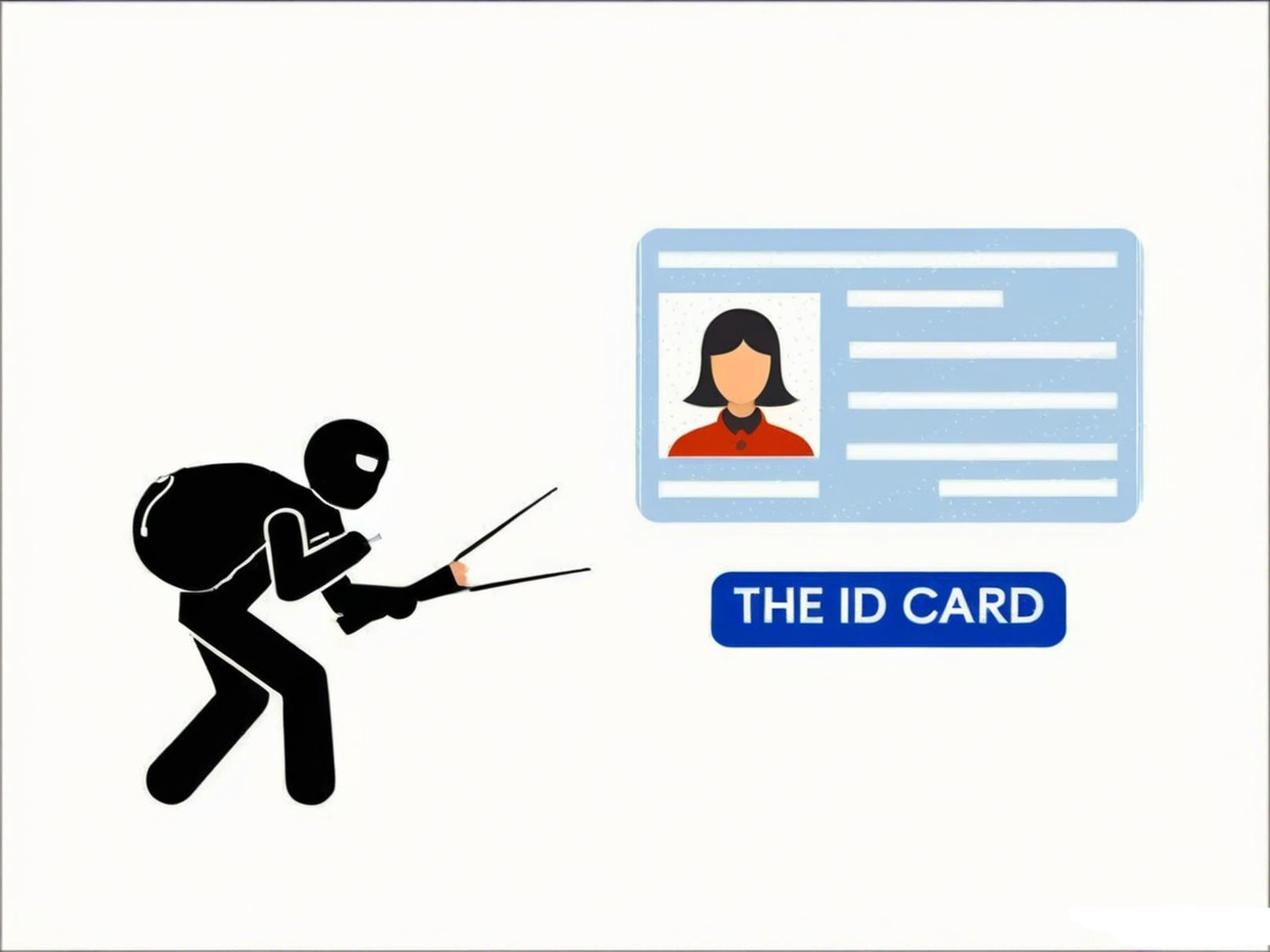
Quick Answer: Why are IDGod-style fake IDs unsafe?
IDGod-style fake IDs create serious legal and personal risk. Even attempting to buy one can expose your photo, address, and payment data to criminal operators. Many victims report payment loss, reused identity documents, and extortion attempts after submitting private information.
- Legal Risk: Fines, criminal charges, and lasting record impact
- Data Risk: Identity theft from uploaded selfie and personal details
- Money Risk: Crypto/transfer scams with no consumer protection
- Safety Rule: Use legal documents from official government channels only
What Makes IDGod-Style Fake ID Markets Dangerous
Understanding how fake ID transactions can harm you legally, financially, and digitally.
Risk Starts Before Any Delivery
Most fake ID sites ask for high-risk personal data: legal name, date of birth, face photo, home address, and signature image. That bundle is enough to launch identity theft attempts and social engineering attacks.
Payments are often requested through irreversible channels. Once funds are sent, users may receive nothing, receive poor-quality material, or be targeted again by impersonation scams. There is usually no reliable refund path and no legitimate consumer protection.
Legal Consequences of Fake IDs
Laws vary by state and country, but fake ID activity can lead to serious criminal records.
Possession and Use Charges
Using fake identification to misrepresent age or identity can trigger misdemeanor or felony charges depending on jurisdiction.
Permanent Record Impact
Criminal records can affect education, employment screening, immigration status, licensing, and housing opportunities.
Collateral Offenses
Fake ID use can be tied to additional offenses such as fraud, document forgery, and obstruction during investigations.
Financial Penalties
Beyond criminal risk, people may face fines, legal fees, and losses from scam payments and account abuse.
How Fake ID Transactions Become Security Incidents
Common failure points that expose users to fraud and identity compromise.
Incident Chain: 5 Steps
Most IDGod-style fake ID incidents follow a predictable path. Breaking this chain early prevents major legal and identity damage.
-
1
Data Submission User uploads photo ID-style selfie, personal details, and signature to an unverified seller.
-
2
Irreversible Payment Funds are sent through channels with weak recovery options, often before any trust checks.
-
3
Seller Evasion Communication degrades after payment, or the seller requests additional fees and delays.
-
4
Data Reuse and Follow-Up Scams Stolen details are reused for phishing, account attacks, extortion, or sold to other actors.
-
5
Long-Term Fallout Victims face financial cleanup, trust damage, and potential legal consequences over time.
IDGod Fake ID Risk Intensity Map
Most Common IDGod-Related Impact Points
- Data packet theft (selfie + address + signature) is enough for downstream fraud.
- Scam loops continue after payment: fake customs fees, fake support, fake law notices.
- Recovery is slow and stressful: account hardening, credit freezes, and legal cleanup.
Fake ID Route vs. Safe Alternatives
A practical side-by-side view of risk outcomes.
| Feature | Fake ID Market | Official Channels | Age-Appropriate Alternatives |
|---|---|---|---|
| Legal Exposure | High | Low | Low |
| Identity Theft Risk | High | Low | Low |
| Payment Safety | Weak | Stronger protections | Standard protections |
| Customer Support | Unreliable | Verifiable | Verifiable |
| Future Record Impact | Significant | Minimal | Minimal |
| Peace of Mind | Low | High | High |
Common Harm Patterns Reported by Victims
Typical outcomes seen in fake ID scam reports.
Case A
University Student, California"After sending my photo and payment, the seller stopped replying. Weeks later I got messages demanding extra money and threatening to expose my data."
Case B
Young Worker, Texas"I reused the same selfie for other accounts. Months later there were login attempts and new accounts opened in my name. I had to freeze my credit and replace cards."
Case C
Hospitality Applicant, Florida"A fake ID incident appeared in a background check and delayed my onboarding. The short-term decision caused long-term employment stress."
How To Protect Yourself Right Now
If you have searched for fake IDs, these steps reduce immediate risk.
Stop Data Sharing
Do not upload photos, signatures, addresses, or passport-style images to untrusted marketplaces.
Secure Accounts
Change passwords, enable MFA, and review account logins if you already shared any personal data.
Protect Finances
Monitor transactions, contact your bank, and freeze credit if suspicious activity appears.
Report and Document
Keep screenshots and payment records. Report fraud attempts to local authorities and support channels.
Frequently Asked Questions About Fake ID Risks
Straight answers focused on safety and prevention.
Why are fake IDs unsafe even before they are used?
Fake ID vendors often request full identity packets: face photo, signature, address, and payment. That data can be abused even if no item is delivered. Users may face fraud attempts, credential attacks, and extortion-style follow-up messages.
What legal consequences can happen with fake IDs?
Jurisdiction matters, but possession, purchase, and attempted use of fake identity documents can trigger criminal penalties. A record can affect future job applications, school admissions, and professional licensing.
Can fake ID sites steal my data?
Scam operators may reuse photos and identity details for account takeovers or social engineering. The highest risk comes from sending high-value identity data where there is no verifiable compliance or privacy accountability.
What should I do if I already paid a fake ID seller?
Save all chat records, receipts, wallet hashes, emails, and page screenshots. Change passwords immediately, enable MFA, and notify your bank or exchange. If identity data was shared, consider a credit freeze and fraud alerts.
How can students avoid fake ID pressure?
Choose venues and activities that fit your legal age. Build boundaries with peers who push illegal shortcuts. A temporary social benefit is rarely worth criminal and identity-theft consequences.
What are safer alternatives?
If you need valid identification, apply through official agencies. If this is about social access, choose age-appropriate options and avoid any service that asks you to misrepresent identity.
How can I identify fake ID scam signals?
Red flags include disappearing domains, no legal business identity, pressure to pay quickly, "customs fee" follow-up requests, and support channels that vanish after payment.
Where should I report fake ID fraud?
Include screenshots, transaction IDs, wallet addresses, and all messages. Fast reporting improves the chance of limiting additional damage and helps others avoid the same scam pattern.
Protect Yourself From Fake ID Scams
If you already interacted with a fake ID seller, take action now: secure your accounts, protect your finances, and report suspicious activity.