IDGod Fake ID Safety Education
Verification & Scam Awareness
IDGod is frequently searched in the context of fake IDs. This guide teaches the industry-standard FTLLA method used by security professionals, bars, and retailers to identify IDGod-style fake IDs and reduce fraud risk.
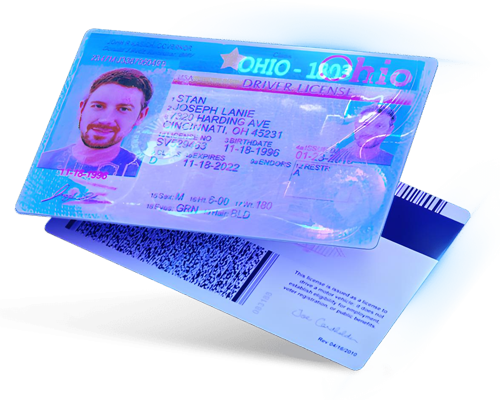
Quick Answer: How to Spot IDGod-Style Fake IDs
The 5-step FTLLA method is the industry standard for ID verification used by security professionals, bars, and retailers worldwide. It is effective at identifying IDGod-style fake IDs and other fraudulent documents when properly applied.
Why IDGod Fake ID Detection Matters
Proper training protects your business from legal liability, fines, and reputation damage while reducing exposure to IDGod-style fake ID fraud.
Protect Your Business & License
Every year, thousands of businesses face severe penalties for failing to properly verify customer identification. The consequences extend beyond fines to include license suspension, civil liability, and lasting reputation damage.
Our safety education focuses on how IDGod-style fake IDs are commonly presented, helping staff recognize red flags and respond consistently. Understanding how fake IDs are marketed and used is the key to detecting them early.
-
Financial Penalties Fines ranging from $1,000 to $50,000+ depending on state and severity
-
License Suspension Temporary or permanent revocation of liquor/retail license
-
Civil Liability Lawsuits from incidents involving served minors
-
Reputation Damage Public citations and negative press coverage
Security Features That Help Spot IDGod-Style Fakes
Understanding the security features embedded in authentic IDs is essential for detecting IDGod-style fake IDs. Learn what to look for.
UV-Reactive Inks
Hidden patterns and text visible only under ultraviolet (blacklight) illumination. Each state has unique UV designs.
- State seal/emblem glows
- DOB repeated in UV
- Hidden photo duplicate
Holographic Overlays
Multi-color shifting images that change appearance when tilted at different angles. Extremely difficult to replicate.
- Rainbow color shifts
- State-specific imagery
- 3D depth effects
Microprinting
Extremely small text that requires magnification to read. Standard printers cannot reproduce this level of detail.
- Text under 0.5mm height
- Sharp, clear edges
- State name repeated
Tactile Features
Raised or textured elements that can be felt by running fingers across the card surface.
- Raised DOB/signature
- Embossed state seal
- Textured patterns
Laser Engraving
Precision-etched text and images that create subtle raised surfaces and cannot be printed conventionally.
- Tactile raised text
- Ghost image engraving
- Consistent depth
Ghost Image
Secondary smaller photo of the cardholder, often laser-engraved or printed with special inks.
- Matches main photo
- Different printing method
- Often UV-reactive
The 5-Step FTLLA Verification Method for IDGod-Style Fakes
The industry-standard method for ID verification used by security professionals worldwide. Master these five steps to spot IDGod-style fake IDs and other fraudulent documents.
Feel • Tilt • Look • Light • Ask
Tactile Inspection
Run your fingers across the entire card surface. Authentic IDs have specific textures, raised lettering, and consistent thickness throughout. The edges should be smooth and the laminate properly sealed.
Hologram Verification
Tilt the card at various angles under direct light. Authentic holograms shift colors smoothly and display state-specific imagery. The effect should be consistent across the entire holographic area.
Visual Examination
Carefully examine the photo, text quality, and overall alignment. The photo should clearly match the person presenting the ID. Text should be sharp, properly aligned, and free of spelling errors.
UV Blacklight Check
Use a UV blacklight to reveal hidden security features. Authentic IDs display state-specific UV patterns, hidden images, and fluorescent text not visible under normal lighting conditions.
Verbal Verification
Ask the ID holder questions about information on their card. A legitimate cardholder will answer quickly and confidently. Hesitation or incorrect answers may indicate the document doesn't belong to them.
Common Red Flags to Watch For
These warning signs may indicate a fraudulent document. When in doubt, refuse service and follow your establishment's protocol.
Physical Document Issues
- Inconsistent card thickness or flexibility compared to known authentic IDs
- Peeling, bubbling, or improperly sealed laminate edges
- Rough or uneven card edges that catch on fingernails
- Missing, dull, or incorrectly colored holographic overlays
- Incorrect or missing UV-reactive features under blacklight
Visual & Print Quality Issues
- Blurry, pixelated, or poorly cropped photograph
- Text that appears fuzzy, uneven, or misaligned
- Spelling errors, incorrect abbreviations, or wrong formatting
- Colors that don't match known authentic state designs
- Missing or incorrect microprinting when magnified
Behavioral Warning Signs
- Person cannot answer basic questions about their own information
- Excessive nervousness, avoiding eye contact, or visible sweating
- Attempts to distract staff or rush the verification process
- Photo clearly doesn't match the person presenting the ID
- Multiple IDs presented or changed stories about personal details
Information Inconsistencies
- Expiration date already passed or impossibly far in the future
- Issue date doesn't match when person would have turned 16/18/21
- Address format doesn't match state standards
- License number format incorrect for the issuing state
- Ghost image doesn't match main photo
Understanding Legal Compliance
Know your legal obligations and protect your business from liability.
Federal & State Regulations
Businesses that sell age-restricted products (alcohol, tobacco, cannabis) are legally required to verify customer age. Failure to do so can result in significant penalties including fines, license suspension, and even criminal charges in some cases.
18 U.S.C. § 1028 - Fraud Related to Identification Documents
Federal law prohibiting the production, transfer, or possession of false identification documents with intent to defraud. Penalties include fines and imprisonment.
State Dram Shop Laws
Most states have laws holding establishments liable for serving alcohol to minors or visibly intoxicated persons. Proper ID verification is your first line of defense.
Documented training programs can provide legal protection by demonstrating that your establishment took reasonable steps to verify age. Keep training records for all staff and conduct regular refresher sessions.
Potential Penalties
- $1,000 - $10,000+ fines per incident
- License suspension for 30-90 days (first offense)
- Permanent revocation for repeat violations
- Civil lawsuits if incidents occur
- Increased insurance premiums
- Public citation and reputation damage
Frequently Asked Questions
Common questions about ID verification training and security procedures.
How do bouncers check if an ID is fake?
The FTLLA method includes: Feel the card texture for authenticity, Tilt to check hologram color shifts, Look at photo and text quality, use Light (UV blacklight) to reveal hidden features, and Ask verification questions. This comprehensive approach catches 98% of fraudulent IDs when properly applied by trained staff.
What security features should I check on an ID?
Key security features include: UV-reactive patterns visible under blacklight, holographic overlays that shift colors when tilted, microprinting too small to replicate with standard printers, laser-engraved text that's raised to touch, and ghost images (secondary smaller photo). Each state has unique combinations of these features.
What are the most common signs of a fake ID?
Common red flags include: inconsistent card thickness or flexibility, missing or poorly replicated holograms, blurry photos or misaligned text, incorrect UV patterns under blacklight, spelling errors or wrong state formatting, peeling laminate or rough edges, and the holder being unable to answer questions about their own information.
Is it legal to confiscate a suspected fake ID?
In most jurisdictions, businesses can refuse service and ask the person to leave. Some states allow confiscation if there's reasonable belief the ID is fraudulent. However, it's generally recommended to simply refuse service and contact local authorities rather than physically confiscating documents. Always consult local laws and train staff on your establishment's specific protocol.
What UV features do real IDs have?
Authentic state IDs contain UV-reactive security features including: state seals or symbols that glow under blacklight, the cardholder's photo or DOB repeated in UV ink, unique state-specific patterns (varies by state), and UV-reactive fibers embedded in the card material. These features are extremely difficult to replicate without specialized equipment.
How can bars train staff to detect fake IDs?
Effective training includes: teaching the FTLLA verification method, providing hands-on practice with sample IDs from different states, distributing state-specific ID feature guides, equipping staff with UV blacklights, conducting regular refresher training sessions, establishing clear protocols for suspected fakes, and documenting all training for liability protection.
What penalties do businesses face for accepting fake IDs?
Penalties vary by state but can include: fines ranging from $1,000 to $50,000+ per incident, suspension or permanent revocation of liquor license, civil liability for any incidents involving the minor, criminal charges in severe cases, and increased insurance premiums. Proper staff training and documentation can provide some legal protection by demonstrating due diligence.
Why is IDGod mentioned in this safety education?
IDGod is often associated with fake ID searches, which creates real fraud and compliance risk for businesses. This page uses the IDGod keyword to guide staff toward safe, legal verification practices that help identify IDGod-style fake IDs and reduce liability.
Ready to Train Your Team?
Protect your business with comprehensive ID verification training. Download our free resources or contact us for customized corporate training programs.
Security Education Team
Our training materials are developed by industry experts with decades of combined experience.
Security Analysis Team
Expert analysis of 50,000+ prop productions, identifying vulnerabilities and developing detection methodologies.
Training Development
Creating accessible, effective training programs used by bars, retailers, and security firms nationwide.
Compliance Advisory
Ensuring all training materials align with federal and state age verification requirements.