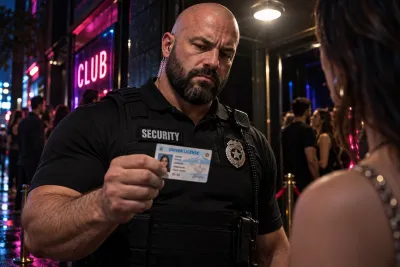
Discovering that a bouncer confiscated my id at a nightlife entrance is an alarming experience. Whether presenting an out-of-state license, an unfamiliar format, or a card security suspected was counterfeit, immediate questions arise regarding property rights: can a bouncer keep your id, or does withholding documentation cross legal boundaries? While venues maintain authority to manage entry, the line between refusing admission and seizing personal property involves complex tort law and liquor regulations. Understanding your id confiscation legal rights requires examining the legal divide separating private security from sworn police officers.
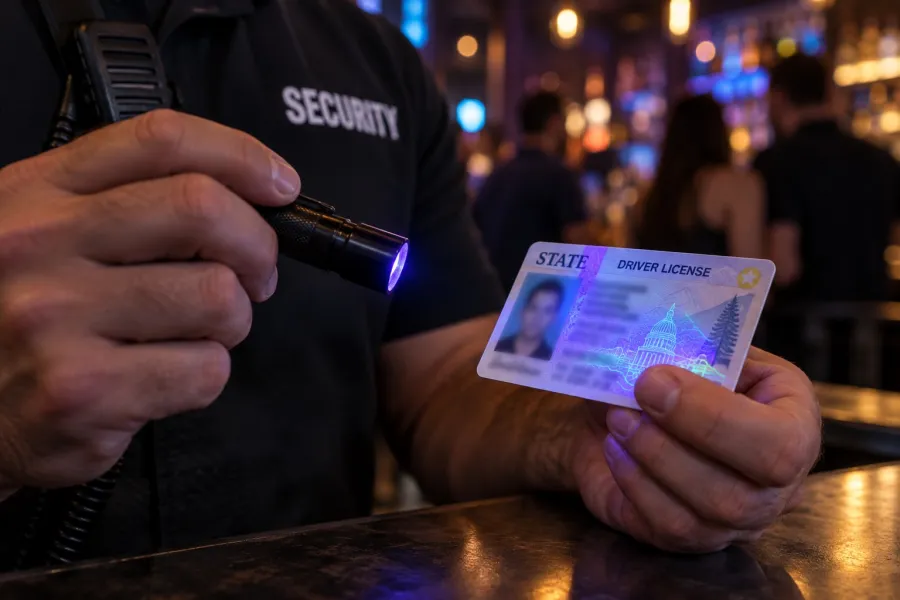
Legal Authority: Private Security Personnel vs. Sworn Police Officers
The foundational rule governing hospitality security is property ownership. Under the common law Right of Admission, venue operators possess the legal authority to control entrance. Because state liquor regulations penalize serving minors, establishments have every right to request government-issued photo identification and deny entry to anyone who refuses or presents doubtful credentials.
However, requesting identification to verify age is legally distinct from confiscating it. A driver's license remains the sovereign property of the issuing state agency, entrusted to the citizen. When an employee retains a patron's card without consent, that conduct can constitute common law conversion or trespass to chattels. Conversion occurs when someone unlawfully exerts dominion over another person's personal property. Furthermore, if door staff use physical force or threats to seize a card, their actions can escalate to criminal theft or assault under local penal codes.
Confiscating Authentic Credentials vs. Suspected Fraudulent Documents
The legal consequences of credential confiscation depend heavily on whether the document is a genuine government card or an illicit reproduction.
Credential seizures in hospitality environments fall into two distinct categories:
- Confiscation of Genuine Credentials: Staff occasionally misjudge authentic licenses due to unfamiliar out-of-state layouts. Seizing a valid government document creates substantial civil liability. Driver's licenses are essential credentials required for driving, commercial aviation, and banking. Depriving a cardholder of valid identification causes immediate harm, exposing the business to conversion damages if management refuses to intervene.
- Confiscation of Suspected Counterfeits: When an individual presents a questionable card, staff often claim a protective mandate. If a patron complains that a bar took my id, venues defend the seizure by citing strict liquor liabilities and administrative fines. Nonetheless, common law principles hold that private venues lack inherent confiscation powers unless expressly authorized by state statute.
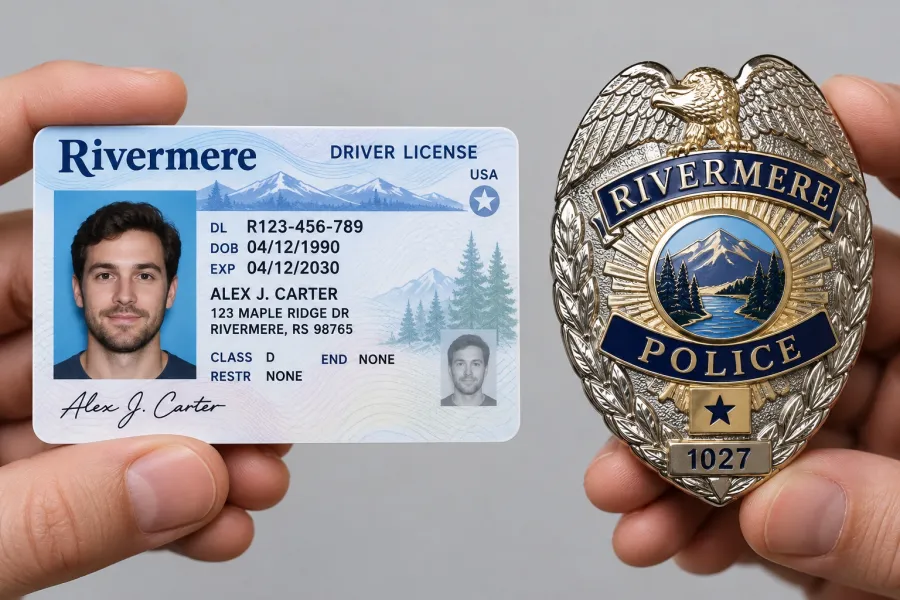
Statutory Variations: How California, Texas, and New York Regulate ID Confiscation
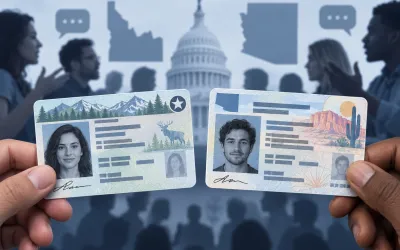
State legislative frameworks establish sharply divergent rules regarding whether hospitality venues may retain questionable credentials:
- California: Under California Business and Professions Code § 25659, licensees may seize suspected fraudulent IDs only if they provide a written receipt to the patron and transfer the card to local police within 24 hours. Retaining the card without a formal receipt forfeits safe harbor protection.
- Texas: Under Texas Alcoholic Beverage Commission (TABC) rules, venues must refuse entry to underage patrons. However, Texas statutes grant no confiscation powers to private security; venues are advised to deny service and summon police if fraud is suspected.
- New York: New York State Liquor Authority (SLA) guidelines require due diligence. While staff may hold suspected fake credentials strictly for turnover to arriving officers, private bouncers maintain no independent legal right to retain government property permanently.
| Security Action | Legal Authority | Operational Boundary | Patron Recourse |
|---|---|---|---|
| Requesting Photo ID | Lawful business policy | Age verification for liquor compliance | May decline and peacefully depart |
| Denying Entry | Absolute right of admission | Staff may refuse service at discretion | Patron must leave private curtilage |
| Retaining Authentic ID | Unlawful civil conversion | Prohibited; causes direct harm to citizen | Request manager; call non-emergency police |
| Holding Suspected Fake | Contingent on state statute | Must issue receipt and surrender to police | Request statutory receipt; demand police review |
| Destroying or Snapping ID | Unlawful property destruction | Strictly prohibited across all states | File police report for criminal property damage |
Actionable Steps: How to Respond When a Bar Refuses to Return Your ID
Navigating an ID dispute at a venue entrance requires structured de-escalation, clear evidence preservation, and proper administrative recourse.
If door staff refuse to return your identification, executing a deliberate response protects your legal standing:
- Maintain Composure: Never attempt to physically retrieve a card. Physical scuffles can trigger criminal charges for assault or trespass, worsening the outcome regardless of card validity.
- Request an On-Duty Manager: Door staff may lack formal legal training. Politely request the general manager, who understands venue civil liabilities. Showing secondary cards or digital portals often clears up visual errors. Understanding the age verification technology used by bars explains why manual visual inspections cause false confiscations.
- Request On-Site Police Verification: If staff refuse to return an authentic card, state that you will contact local police non-emergency dispatch to verify the credential on site. Door staff frequently return genuine IDs rather than involve law enforcement.
- Document Details and File Reports: If the venue refuses to return a valid license, record the venue name, address, employee names, and timestamps. Filing a stolen property report provides vital documentation when ordering a replacement through your state DMV. Reviewing fake ID legal risks and statutory penalties clarifies the broader legal landscape.
Frequently Asked Questions
Can a bouncer legally take your ID in California, Texas, or New York?
In California, staff may hold suspected fraudulent IDs only under California Business and Professions Code § 25659, requiring a written receipt and police transfer within 24 hours. In Texas and New York, staff may refuse entry, but private security lacks authority to seize property without police involvement.
What should I do if a bar won't return my ID?
If a bar refuses to return your genuine ID, remain calm and request to speak with the general manager. If management still refuses, contact local police non-emergency dispatch to request an officer verify your credential on site. Avoid physical altercation, document employee details, and file a property theft report if necessary.
Is it legal for a bar to confiscate a fake ID?
While bars have a legal duty not to serve minors, private security staff generally lack police forfeiture powers. In states with safe harbor laws like California, staff may retain suspected fake cards strictly for transfer to local law enforcement within a statutory window. However, keeping cards privately or destroying them remains legally unauthorized.
Can a bouncer legally snap, bend, or destroy an ID?
No, bouncers have zero legal authority to snap, bend, or physically destroy an identification card. Driver's licenses remain the property of the issuing state government. Intentionally destroying a government credential constitutes criminal mischief and property destruction under municipal penal codes.
The operational tension between venue security and property rights requires understanding statutory limits. While hospitality venues maintain full authority to manage admission and verify patron age, that protective duty grants no unchecked power to seize or destroy government credentials. Knowing your rights, de-escalating disputes, and engaging official law enforcement channels ensure legitimate cardholders protect their documentation and legal standing.