CBP Fake ID Seizure Notice: What the "Love Letter" Means
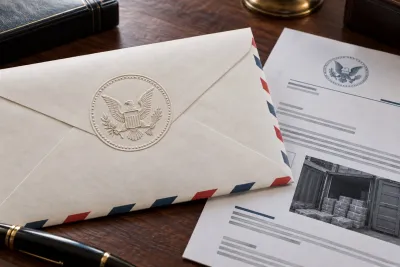
Opening an envelope bearing the official seal of U.S. Customs and Border Protection (CBP) is an alarming experience. Informally termed a "love letter" across internet legal forums, a notice of customs seizure indicates that federal officers intercepted an international package addressed to the recipient containing contraband. In the context of fraudulent identification documents shipped from overseas, receiving this mailing raises immediate panic regarding prosecution or imminent arrest. Understanding what a CBP love letter fake ID customs seizure notice represents in administrative law—and distinguishing legitimate regulatory actions from predatory extortion scams—is essential for handling the situation calmly and legally.
Decoding the CBP Notice: Civil Administrative Seizure vs. Criminal Charges
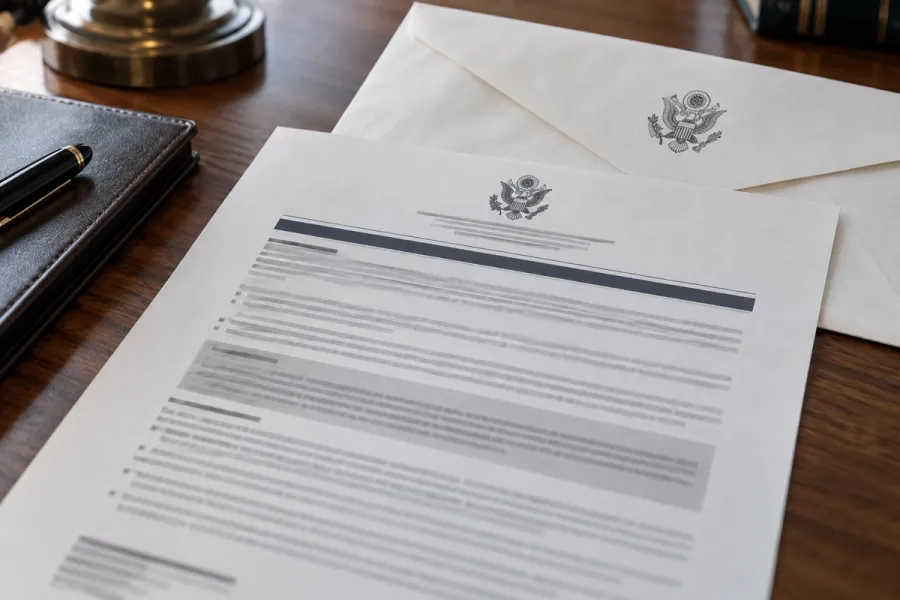
The document delivered by mail is officially titled a Notice of Seizure and Information to Claimants. Governed under Title 19 of the United States Code, this mailing fulfills constitutional due process requirements. When inspectors at international mail hubs discover prohibited items during screening, the government seizes the parcel. Regulations require notifying the listed addressee, providing an opportunity to challenge the forfeiture.
Crucially, receiving a civil seizure notice does not mean federal agents have filed criminal charges or issued an arrest warrant. In administrative practice, the legal action is directed against the physical property itself (an in rem forfeiture), rather than an individual criminal prosecution. The notice informs the addressee that the item was confiscated under federal statutes prohibiting the importation of counterfeit credentials, as examined in our overview of federal identity document fraud charges and penalties.
The Standard Response Strategy: Why Silence Protects Recipients
Enclosed with the formal seizure notice is an "Election of Proceedings" form offering options: petitioning for remission, abandoning property, or requesting court adjudication. For individuals whose names appeared on an intercepted package containing fraudulent credentials, legal experts offer clear guidance: the safest procedural response is to take no action whatsoever.
To establish a criminal case for unlawful importation, prosecutors must prove intent beyond a reasonable doubt—specifically that the recipient deliberately ordered and paid for the parcel. Anyone can write an arbitrary name on an international envelope. If a recipient signs and returns the response form, they confirm their connection to the shipment. By asserting ownership, the individual bridges the evidentiary gap investigators would otherwise face.
When an addressee ignores the letter, CBP follows standard administrative protocol: after the statutory response window (typically thirty to sixty days) expires, the confiscated items are declared abandoned and transferred to federal incinerators for destruction. In the vast majority of consumer-level individual seizures, federal authorities close the administrative file without further action.
Spotting the Follow-Up Phone Scam: Fraudsters Posing as Federal Agents
An alarming trend associated with overseas counterfeit shipments involves follow-up extortion scams. Gray-market shipping portals frequently maintain poor digital security, allowing customer rosters containing names, addresses, and phone numbers to leak.
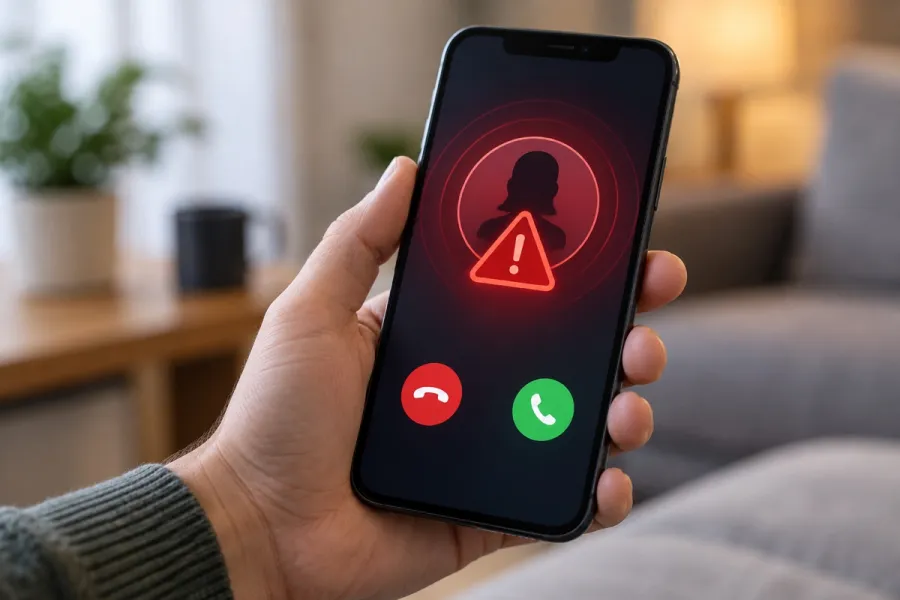
Shortly before or after a package is intercepted, recipients may receive intimidating calls or messages from individuals claiming to be officers from CBP, Homeland Security, or local police. The caller insists that an illegal shipment was intercepted, an arrest warrant was signed, and deputies are en route to the recipient's home or campus dorm. The caller promises to cancel the warrant if the victim transfers "clearance fees" via cryptocurrency, wire transfer, or retail gift cards.
Recognizing how authentic federal law enforcement operates dismantles this scam:
- Federal agencies never negotiate warrants over the phone: Officers do not telephone suspects to demand financial settlements in exchange for dropping charges.
- Government agencies do not accept alternative payments: No federal agency accepts Bitcoin, wire transfers, Zelle, or gift cards for official fines.
- Official notices arrive via postal mail: Federal courts communicate proceedings through certified written correspondence or in-person service by marshals.
Assessing Real Legal Jeopardy: When Federal Prosecutors Take Action
While the vast majority of single-document seizures conclude with administrative destruction, understanding what triggers criminal investigation remains critical. Federal agencies like Homeland Security Investigations prioritize major distribution networks rather than individual end-users.
A civil seizure transforms into an active criminal investigation when specific aggravating factors exist, such as commercial bulk quantities destined for campus distribution networks or credentials bearing stolen identities. Repeated shipments intercepted to the same address over consecutive months also establish patterns of deliberate importation, raising administrative flags across security databases, particularly as agencies enforce Real ID Act compliance standards across border security protocols.
If federal agents pursue criminal charges, they do not mail an administrative form; they execute a controlled delivery or arrive in person with a search warrant. In such rare scenarios, exercising the constitutional right to remain silent and securing criminal defense counsel is essential.
| Dimension | CBP Civil Seizure Notice ("Love Letter") | Federal Criminal Prosecution |
|---|---|---|
| Initiating Trigger | Routine mail sorting discovery of prohibited parcel | Bulk commercial quantity, repeat shipments, or identity theft |
| Nature of Action | Administrative in rem property forfeiture | Judicial in personam criminal prosecution |
| Primary Document Delivered | Standard Form Notice of Seizure via postal mail | Court-issued arrest warrant, summons, or indictment |
| Recommended Action | Ignore the notice; allow property abandonment | Invoke right to silence; retain criminal defense attorney |
| Standard Consequence | Item destroyed; administrative file closed | Formal court arraignment, potential felony record, fines |
| Likelihood for Single Consumer ID | High (standard procedure for intercepted mail) | Extremely low (federal resources focus on bulk distributors) |
Frequently Asked Questions
What does a CBP love letter actually mean?
A CBP love letter is an informal term for a Notice of Seizure issued by U.S. Customs and Border Protection. It informs the recipient that an international parcel addressed to them contained prohibited items that were confiscated at a port of entry, offering an administrative opportunity to abandon or contest the seized property.
Can you safely ignore a customs seizure notice?
Yes. In cases involving personal counterfeit credentials, ignoring the letter is the standard approach recommended by legal practitioners. If no response is received within thirty to sixty days, the government declares the property abandoned and destroys it, concluding the administrative matter.
Does receiving a CBP seizure letter mean you will be arrested?
No. A seizure letter is an administrative property notice, not an arrest warrant or criminal indictment. Federal authorities handle thousands of low-level contraband interceptions each month and generally destroy single items without pursuing criminal charges against the addressee.
How can you identify a fake CBP agent phone scam?
Real CBP and law enforcement officers will never call to demand payment via wire transfer, cryptocurrency, or gift cards to cancel an arrest warrant. Any caller demanding money over the phone to clear an intercepted package is an extortion scammer exploiting leaked shipping records.
Receiving a notice from federal customs authorities can be unsettling, but understanding administrative forfeitures keeps the situation in perspective. By recognizing that seizure notices require no self-incriminating response and remaining vigilant against telephone extortion schemes, consumers can navigate procedures safely while understanding the real risks of illicit international shipments.